Agua Azul: renewable energy serving a community
How a renewable-energy project can connect technical performance with the everyday needs of the community it serves.
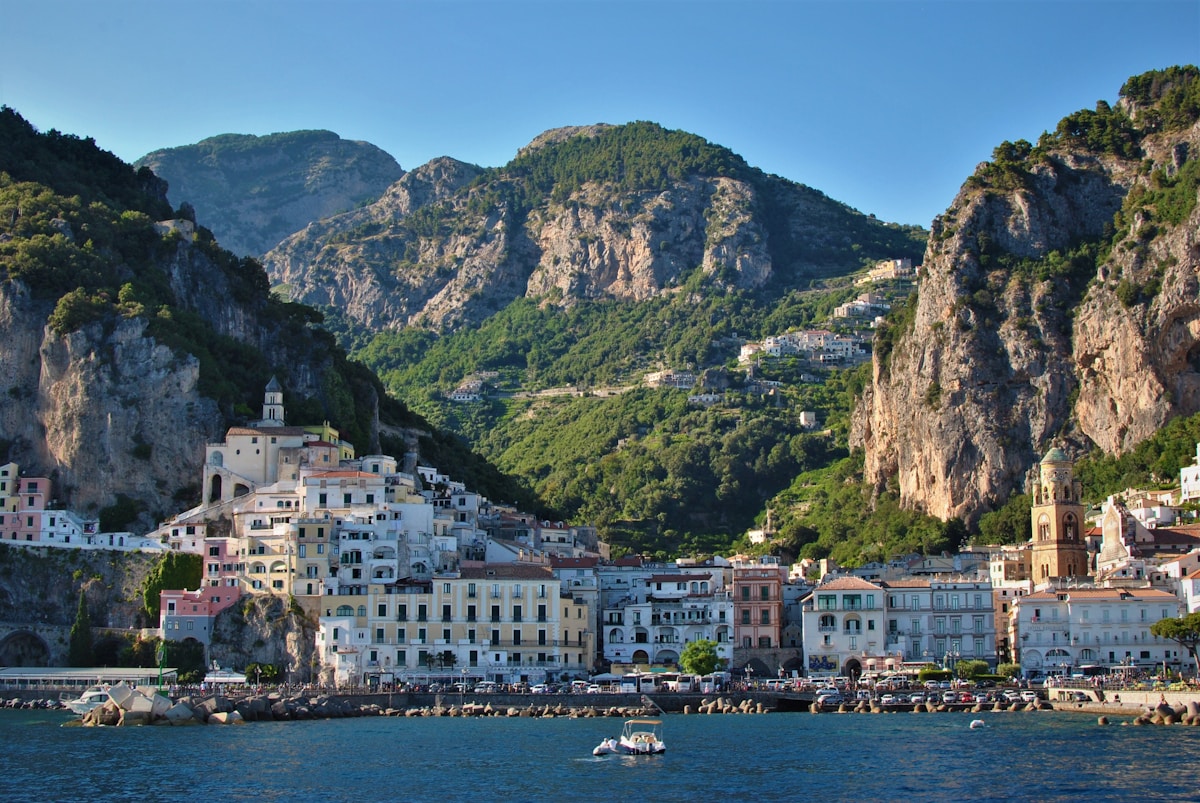
Energy infrastructure creates its greatest value when technical decisions begin with a clear understanding of place. Agua Azul shows how a project can be designed around both reliable generation and the needs of the people who will experience its impact every day.
Starting with local context
Every site presents a different combination of energy demand, landscape, access, regulation and community priorities. Treating those conditions as design inputs from the beginning makes it possible to identify risks earlier and build a stronger project brief.
For Agua Azul, that means connecting engineering choices to the way energy is used across the community complex. Generation, distribution and long-term operation are considered as one system rather than as separate phases.
Performance that lasts
A successful renewable-energy project is not defined only by the day it enters operation. Its design must also support predictable maintenance, clear monitoring and efficient intervention throughout its working life.
Long-term value comes from aligning technical performance, operational clarity and the priorities of the surrounding community.
That integrated view helps each decision reinforce the next—from early feasibility and permitting to construction planning and asset management.
Energy as shared infrastructure
Projects such as Agua Azul demonstrate the broader role renewable energy can play. Beyond generation, well-planned infrastructure can improve resilience, create local capability and provide a practical foundation for future development.
The result is a project conceived not as an isolated asset, but as part of a living place.